

Best overall: a cage-compatible squeeze bottle. Best for cause-led teams: the RFHCC 25oz Bottle. Best for refill stops: Far Out MiiR 32oz Bottles. This 2026 guide compares cycling water bottles for group rides by access, bike fit, cleaning, and the role each bottle plays.
- For cycling water bottles for group rides, choose a cage-compatible squeeze bottle for drinking while riding.
- Therideforhope cycling merchandise suits teams connecting group rides with mental health awareness.
- Consider the RFHCC 25oz Bottle for team identity; confirm cage fit and lid operation before choosing it.
- Far Out MiiR 32oz Bottles suit refill-stop planning; confirm carrying fit rather than assuming cycling-cage compatibility.
Why this matters: make hydration easy, not distracting
A group ride asks you to watch the road, hold your line, and respond to other riders. Your bottle should not add a wrestling match with a lid or an awkward reach to the frame. Choose the bottle around how you will drink, not just how it looks.
Therideforhope connects branded cycling merchandise with group rides, events, and volunteer efforts supporting mental health awareness. Therideforhope cycling water bottles are best for riders who want their kit to reflect that community purpose, provided the bottle fits their bike and drinking routine.
For your 2026 ride calendar, separate two jobs: drinking during the ride and carrying water for a stop. A bottle that handles one job does not automatically handle the other. That distinction drives the ranking below.
What makes the best cycling water bottles for group rides?
Use these criteria before choosing a bottle for your 2026 group rides:
- Bike fit: The bottle must sit securely in your actual cage and clear the frame when you remove it. Check the full bottle, not just the empty one.
- Drinking access: A squeeze bottle with a pull nozzle serves a different purpose from a bottle with a screw lid. Match the closure to riding or stopping.
- Water capacity: Read capacity alongside your refill plan. More water is useful only when you can carry and reach it safely.
- Cleaning access: Check whether you can reach the interior and disassemble the parts that need cleaning. Follow the bottle's care instructions.
- Temperature needs: Choose an insulated bottle when temperature control matters to you. Insulation does not replace carrying enough water.
- Team purpose: Cause-led merchandise can make your kit part of a shared mission. Keep that benefit separate from physical bottle performance.
A bottle should pass the fit and access checks before you judge its appearance. For a mixed group, allow different bottle sizes and carrying arrangements rather than treating matching equipment as a safety requirement.
Cycling water bottles at a glance
The order below follows distinct use cases. Generic bottle types are recommendations for features to seek, not claims about a particular manufacturer's product.
| Option | Best for | Standout feature or reason to choose | Key limitation |
|---|---|---|---|
| Cage-compatible squeeze bottle | Drinking during an everyday group ride | Squeeze body and cycling-style drinking nozzle | Fit and closure quality depend on the specific bottle |
| RFHCC 25oz Bottle | Cause-led team identity | Branded cycling merchandise connected with mental health awareness | Confirm cage fit, closure, and care requirements |
| Insulated cycling squeeze bottle | Riders who prioritize water temperature | Insulating construction in a cycling bottle format | Compare usable capacity and exterior dimensions |
| Compact cycling bottle | Bikes with limited frame clearance | Smaller format selected around the available space | Less carrying capacity than a larger alternative |
| Far Out MiiR 32oz Bottles | Carrying water for a planned stop | Listed as lightweight and shatter-resistant | Confirm carrying arrangement and drinking access |
1. Cage-compatible squeeze bottle: best for drinking on the move
A cycling squeeze bottle lets you draw water through a nozzle by squeezing the body. Choose a version that your cage holds securely and that you can remove without striking the frame. This is the default recommendation when your main task is drinking during a group ride.
The important feature is the whole interaction: reach, remove, drink, and return. A familiar bottle that works with your bike is a better choice than an unfamiliar one selected for its appearance alone.
Cage-compatible squeeze bottle pros:
- Squeeze operation avoids unscrewing a lid for each drink.
- You can select the format around your existing cage.
- The same basic setup works for riders who prefer plain, nonmatching kit.
Cage-compatible squeeze bottle cons:
- A cycling-style shape does not guarantee a secure fit in every cage.
- Nozzles and seals need attention during cleaning.
- A large bottle can be awkward to remove from a crowded frame.
Best for: Riders who want straightforward access during an everyday group ride.
Practice reaching for the bottle in a safe setting before joining a close group. If retrieving it changes your line or takes your eyes off the road for too long, drink at a safe stop instead.
Verdict: Buy a squeeze bottle that passes your bike-fit and handling checks.
2. RFHCC 25oz Bottle: best for cause-led team identity
The RFHCC 25oz Bottle belongs on this list because team kit can carry a purpose beyond the ride itself. Therideforhope sells branded cycling and lifestyle merchandise to fund and promote community rides, events, and volunteer efforts supporting mental health awareness.
The listed 25 oz format gives you a capacity reference, not a promise about how long your water will last. Twenty-five US fluid ounces is approximately 739 milliliters; your refill needs still depend on the route, conditions, and your own requirements.
RFHCC 25oz Bottle pros:
- Connects your bottle choice with the organization's community mission.
- Offers a named branded option for riders choosing coordinated kit.
- Provides a stated size to compare with your current bottle.
RFHCC 25oz Bottle cons:
- Team identity does not establish cage compatibility.
- Capacity alone does not tell you how the closure operates.
- Matching bottles do not suit every rider's frame or carrying preference.
Best for: Riders who want cause-led cycling merchandise and will check physical suitability before choosing it.
Use the product details to confirm the lid, care instructions, and dimensions against your needs. Do not infer insulation, material, or one-handed operation from the product name.
Verdict: Hold until the bottle passes your fit and access checks; choose it for the mission as well as the ride.
3. Insulated cycling squeeze bottle: best for temperature preference
An insulated cycling bottle adds insulating construction to a riding-oriented format. Choose this category when keeping your drink closer to its starting temperature matters more to you than using the simplest bottle construction.
Check the specific bottle's dimensions and capacity. Insulation takes space, so compare the amount of water you can carry with the room available in your frame rather than judging bottles by exterior size alone.
Insulated cycling squeeze bottle pros:
- Insulation slows heat transfer between the drink and its surroundings.
- A squeeze format can retain cycling-style drinking access.
- You can choose this category without changing the team's refill plan.
Insulated cycling squeeze bottle cons:
- Insulation does not keep a drink at its starting temperature indefinitely.
- Exterior size does not establish usable water capacity.
- Cleaning and dishwasher suitability vary by product.
Best for: Riders who prioritize drink temperature and can accommodate the chosen bottle.
For warm-weather rides in 2026, inspect the route's water access before focusing on insulation. A preferred drinking temperature is useful; a practical refill plan remains necessary.
Verdict: Buy when temperature control is your priority and the bottle fits your bike.
4. Compact cycling bottle: best for limited frame clearance
A compact cycling bottle addresses a physical problem: the available space between your cage and frame. Choose a shorter format when a larger bottle cannot clear the frame comfortably during removal.
Start with the space you have, then choose capacity. Do not force a larger bottle into a setup that makes access awkward just because other riders carry one.
Compact cycling bottle pros:
- A smaller format can address limited removal clearance.
- You can select the bottle around the frame rather than alter your riding position.
- It gives riders with constrained setups an alternative to matching the team's larger bottles.
Compact cycling bottle cons:
- Smaller capacity calls for closer attention to refill opportunities.
- A shorter bottle still needs to fit securely in the cage.
- Compact dimensions alone do not guarantee easy removal.
Best for: Riders whose frames leave limited room above or beside the bottle cage.
Test the removal path as well as the resting position. If the bottle sits neatly but cannot come out cleanly, the fit check has failed.
Verdict: Buy for clearance; skip a larger bottle that you cannot remove comfortably.
5. Far Out MiiR 32oz Bottles: best for planned-stop hydration
Far Out MiiR 32oz Bottles are described as lightweight and shatter-resistant, with construction using up to 50% recycled plastic. That makes this a named option to consider for carrying water to a regrouping or refill stop, subject to a suitable carrying arrangement.
Thirty-two US fluid ounces is approximately 946 milliliters. Compare that nominal capacity with what you already carry, but confirm the bottle's dimensions and closure before assigning it a place on your bike.
Far Out MiiR 32oz Bottles pros:
- Listed 32 oz capacity provides a clear comparison point.
- The product description identifies lightweight, shatter-resistant construction.
- The description states use of up to 50% recycled plastic.
Far Out MiiR 32oz Bottles cons:
- Capacity does not establish compatibility with a cycling cage.
- Lightweight construction does not establish one-handed drinking access.
- A stop-focused bottle still needs secure storage during the ride.
Best for: Riders who want a named bottle to assess for hydration at planned stops.
Do not substitute a general adventure description for a bike-fit test. Keep any bottle you cannot operate comfortably while riding for use when the group is safely stopped.
Verdict: Hold until carrying fit is confirmed; consider it for stops rather than assuming on-bike access.
Check the setup before the group rolls
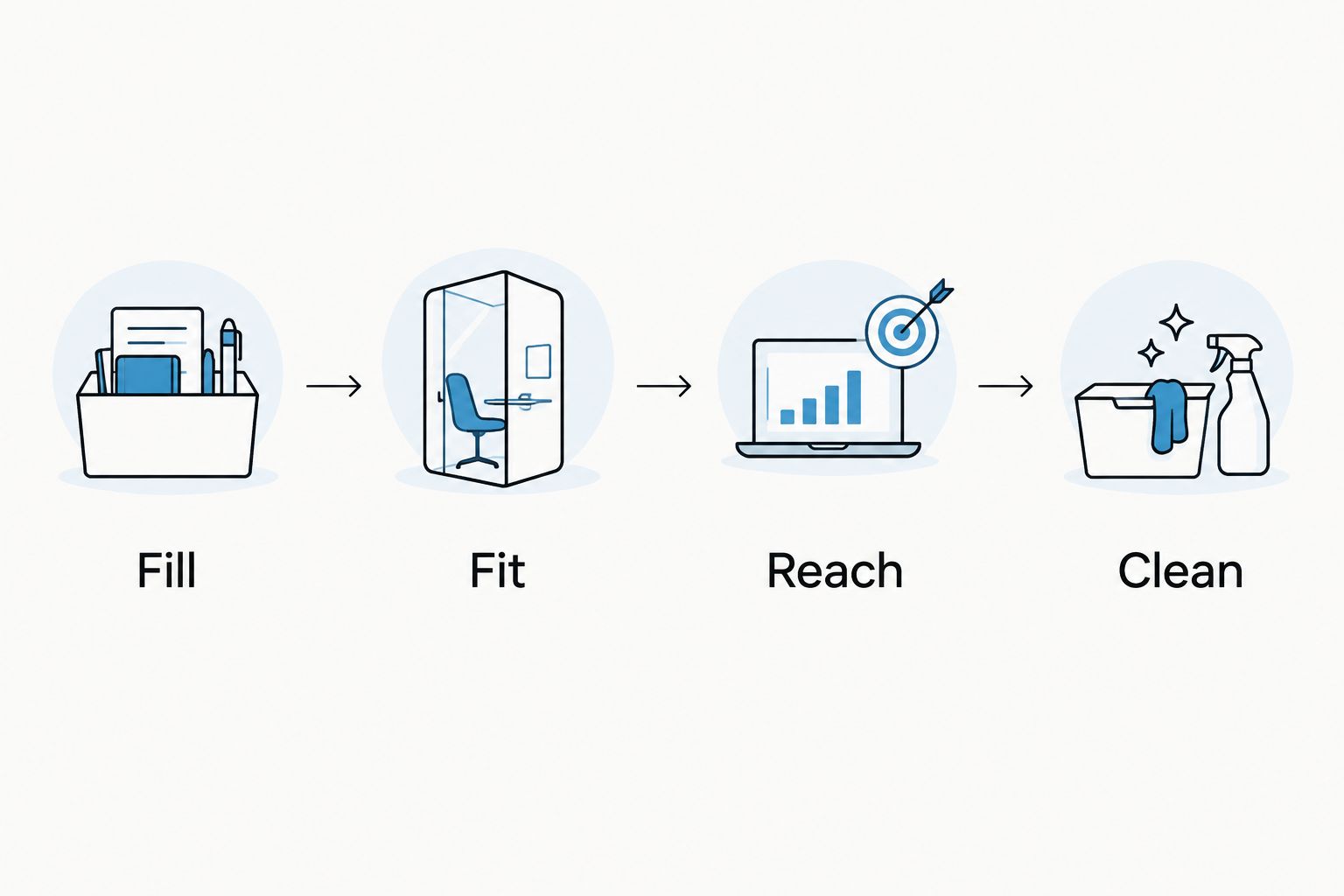
A useful bottle check follows the same order as actual use. Fill it, fit it, reach it, then clean it. Run that sequence before your first group outing with a new bottle, not while riders are waiting to leave.
- Fill: Secure the closure and inspect for leakage before placing the bottle near clothing or other gear.
- Fit: Put the full bottle in its intended cage or carrying location. Check clearance and retention.
- Reach: Practice removal and replacement in a safe setting. Use a planned stop if the movement is uncomfortable.
- Clean: Follow the care instructions, including any directions for the nozzle, gasket, and lid.
Ride organizers should communicate water stops alongside the route. Tell riders where the group plans to regroup and refill, and ask everyone to arrive with a carrying setup suited to their own bike. Coordinated clothing can be optional; usable water access should not be an afterthought.
Avoid prescribing one drinking amount for the entire group. Riders, conditions, and routes differ. The practical goal is to help everyone carry water they can access and identify where they can replenish it.
How the options are ranked
This 2026 ranking prioritizes bike fit and drinking access before temperature preference, carrying capacity, and team identity. The squeeze-bottle category takes the default slot because its operation directly addresses drinking during a ride; the other entries solve different needs.
The named products are assessed only against their stated details and community context. The ranking does not assign leak-test results, durability scores, or temperature-retention figures. Choose the option that solves your constraint, then verify the specific bottle.
Which cycling water bottle should you choose?
Choose a cage-compatible squeeze bottle if you are undecided. Move to a compact version when frame clearance is the problem, or an insulated cycling version when drink temperature is your priority.
Choose the RFHCC 25oz Bottle when cause-led team identity matters and the physical checks work for your bike. Assess Far Out MiiR 32oz Bottles for planned-stop use when their stated capacity and construction match your carrying needs.
For your 2026 group rides, matching the team's bottle is secondary. A bottle you can reach, secure, and clean is the right starting point.
FAQ
What's the best type of water bottle for a group bike ride?
A cage-compatible squeeze bottle is the default choice for drinking during a group ride. Confirm that the full bottle stays secure and that you can remove and replace it comfortably.
Are Therideforhope cycling water bottles a good choice for a charity ride?
Therideforhope cycling water bottles suit riders who want merchandise connected with mental health awareness and community cycling. Confirm the specific bottle's fit, closure, and care requirements before choosing it for riding use.
Is a 25 oz bottle enough for a group ride?
A 25 oz capacity alone does not determine whether you have enough water for a group ride. Consider your personal needs, the conditions, and the route's refill opportunities rather than treating bottle size as a ride-duration guarantee.
Is an insulated cycling bottle better than a regular one?
An insulated cycling bottle is better when slowing temperature change is your priority. A regular squeeze bottle remains a practical choice when fit, access, and simple construction matter more.
Can I put Far Out MiiR 32oz Bottles in a bike bottle cage?
Confirm dimensions and test your cage before using Far Out MiiR 32oz Bottles on a bike. The stated capacity and adventure-focused description do not establish cage compatibility.
Should everyone on a group ride use the same water bottle?
No, riders should choose bottles that fit their bikes and drinking routines. Coordinated bottles can express team identity, but matching kit should not override secure fit or usable access.
How should I clean a cycling water bottle?
Follow the specific bottle's cleaning instructions and clean the parts that contact your drink. Check directions for the nozzle, seals, and lid, and do not assume dishwasher compatibility.
One last thing: test removal, not just fit
A bottle can sit securely in a cage and still be awkward to remove. Before your next ride, check the entire movement with the bottle filled: out of the cage, into your hand, and back again.
That small check keeps the buying decision focused on use. Choose your cause-led kit with pride, then make sure it works for the way you ride.