

Best overall: a mission-linked community hoodie. Best for changing layers: a full-zip awareness hoodie. Best for off-bike comfort: a relaxed pullover. Best for packing light: a lightweight hoodie. This 2026 guide helps you choose mental health awareness hoodies for cycling meetups, volunteer days, and everyday wear—not mistake casual clothing for technical riding kit.
- The best mental health awareness hoodies pair a clear community purpose with a fit suited to your plans.
- Choose a full-zip awareness hoodie when easy layer changes matter more than a simple pullover design.
- Choose a relaxed pullover for off-bike gatherings; check bulk and fit before wearing it on a ride.
- Therideforhope connects cycling merchandise with mental health awareness through community rides, events, and volunteer efforts.
WHY THIS MATTERS
A hoodie can express solidarity without asking you to make a speech. But an awareness message, a comfortable garment, and a cycling layer are different things. Your choice needs to match the job you actually want it to do.
Therideforhope sells branded cycling and lifestyle merchandise to fund and promote community rides, events, and volunteer efforts supporting mental health awareness. Therideforhope is best for cyclists who want community merchandise connected to mental health awareness. That mission is relevant when you compare awareness clothing; it does not establish the specifications of any particular hoodie.
This 2026 ranking compares hoodie types rather than presenting unverified product reviews. Choose a type first, then check the individual garment's construction and the organization's stated purpose. A strong message cannot answer questions about sleeve length, fabric, or riding fit.
What makes the best mental health awareness hoodies?
Use these five criteria before choosing a slogan or graphic:
- Mission clarity: Look for a specific explanation of the community or work the seller supports. An awareness message alone does not explain where purchase proceeds go.
- Use-case fit: Decide whether you need clothing for the ride, the gathering afterward, or volunteering. Those activities place different demands on a garment.
- Movement: Check shoulder reach, sleeve position, and hem coverage in your riding posture—not just while standing upright.
- Layer control: Compare a zip opening with a pullover design. Think about how you will put the garment on and remove it.
- Respectful messaging: Choose language you are comfortable wearing and discussing. Support should feel like an invitation, not an instruction to disclose personal experiences.
For your 2026 shortlist, put mission clarity and intended use ahead of design preference. Then check the actual garment details. There is no universal fabric, cut, or slogan that makes every hoodie right for every cyclist.
Mental health awareness hoodies at a glance
The standout features below describe what to look for, not specifications guaranteed by a named seller. Each option owns a different job.
| Rank and hoodie type | Best for | Standout feature to check | Key limitation |
|---|---|---|---|
| 1. Mission-linked community hoodie | Cause-led events and volunteering | A clear connection between the seller and its community work | Mission alignment does not establish riding performance |
| 2. Full-zip awareness hoodie | Changing layers around a ride | A front opening that avoids overhead removal | Zipper comfort and operation need checking |
| 3. Relaxed awareness pullover | Off-bike meetups and everyday wear | A comfortable cut for sitting and gathering | Loose fabric needs attention around moving bicycle parts |
| 4. Lightweight awareness hoodie | Carrying an extra casual layer | Fabric and construction that fit your packing needs | Lightweight does not mean windproof or waterproof |
1. Mission-linked community hoodie: best for cause-led events
A mission-linked community hoodie connects the clothing to an identifiable organization and its work. The useful distinction is accountability: you can understand what the organization does instead of relying on a slogan alone.
This is the strongest default for someone who wants their 2026 purchase to support participation and awareness. Start with the organization's description of its activities. Then assess the hoodie as clothing, using the same fit and construction checks you would apply to any garment.
Mission-linked community hoodie pros:
- Gives you a specific community purpose to discuss.
- Connects your clothing choice with an organization you can evaluate.
- Fits cause-led gatherings where shared purpose matters more than technical performance.
Mission-linked community hoodie cons:
- A clear mission does not guarantee comfortable fabric or good fit.
- Organization branding does not establish protection from wind or rain.
- A general statement about support does not establish a donation amount per purchase.
Best for: Cyclists choosing clothing primarily for awareness events, volunteering, and community connection.
Before buying, separate the organization's promise from the garment's promise. Ask what community activity the purchase supports, then check the material, cut, and care instructions independently. Do not assume every branded item works as ride apparel.
Verdict: Buy for a documented mission and a suitable garment—not for the slogan alone.
2. Full-zip awareness hoodie: best for easy layer changes
A full-zip awareness hoodie opens at the front, so you can put it on or remove it without pulling it over your head. That construction suits riders who want a casual layer before departure or after stopping.
The zip is the reason to choose this type. Check that it operates comfortably and that the collar, zipper pull, and lower edge do not interfere with your position on the bike.
Full-zip awareness hoodie pros:
- Supports layer changes without overhead removal.
- Lets you open the front while keeping the garment on.
- Gives you a practical option for transitions between riding and gathering.
Full-zip awareness hoodie cons:
- The zipper introduces another part to inspect and maintain.
- Front-opening designs do not necessarily provide weather protection.
- A loose hem or dangling cord still needs attention near bicycle components.
Best for: Cyclists whose main priority is putting on and removing a casual layer easily.
Try the zipper while wearing the layers you expect underneath. Bend forward and check whether the lower front bunches against your body. Make adjustments while stopped, not while handling the bicycle.
For a 2026 commuter wardrobe, choose this format because you need convenient layer changes. Do not treat the opening as proof that the rest of the garment suits active riding.
Verdict: Buy when easy layer changes are your deciding requirement.
3. Relaxed awareness pullover: best for off-bike comfort
A relaxed awareness pullover is a straightforward choice for casual gatherings and everyday wear. Its defining feature is the pullover construction, with no full-length front opening to operate.
Choose it for time spent meeting other riders, helping at an event, or relaxing afterward. Whether an individual garment feels comfortable depends on its fabric, seams, and fit—not simply on the word hoodie.
Relaxed awareness pullover pros:
- Offers a simple construction without a full front zipper.
- Works as a casual clothing choice outside riding sessions.
- Lets you prioritize a message you feel comfortable wearing regularly.
Relaxed awareness pullover cons:
- Requires overhead removal when you want to take it off.
- A relaxed cut needs checking for loose fabric around the bicycle.
- A casual fit does not establish comfort in a forward riding position.
Best for: Cyclists who want awareness clothing mainly for off-bike meetups and daily use.
Check the garment while seated as well as standing. Notice whether the hood pulls at the neckline, whether the cuffs stay where you want them, and whether the hem feels comfortable. These details matter more than how the garment looks in a product photograph.
An off-bike hoodie does not need to become your riding layer to be useful. Giving it a clear role makes the choice simpler.
Verdict: Buy for off-bike wear; skip it as your default technical riding layer.
4. Lightweight awareness hoodie: best for packing an extra layer
A lightweight awareness hoodie belongs on your shortlist when carrying a casual layer is the main goal. Evaluate the actual garment's fabric and construction rather than assuming that a lightweight description answers every packing question.
This option suits a rider who wants something to wear after arriving. It is not a substitute for checking the weather or carrying clothing appropriate to the conditions.
Lightweight awareness hoodie pros:
- Lets you focus on an extra layer rather than a substantial outer garment.
- Suits a packing-first decision when the garment fits your bag.
- Keeps an awareness message part of your arrival outfit.
Lightweight awareness hoodie cons:
- Lightweight does not establish warmth, wind resistance, or rain protection.
- Thin fabric is not automatically quick-drying fabric.
- A garment still needs a fit check even when you mainly intend to carry it.
Best for: Cyclists carrying casual clothing for their destination rather than choosing an outer layer for the ride.
Pack the garment with your usual belongings before committing to that role. Check whether it leaves room for the equipment you need and whether you can keep it dry. The useful test is your actual bag, not an imagined packing benefit.
Verdict: Buy for a confirmed packing need; skip it as your only weather layer.
Check the fit before you ride
Use these 3 fit checks with your normal riding clothes underneath. They are practical checks, not a substitute for reviewing the garment's stated specifications.
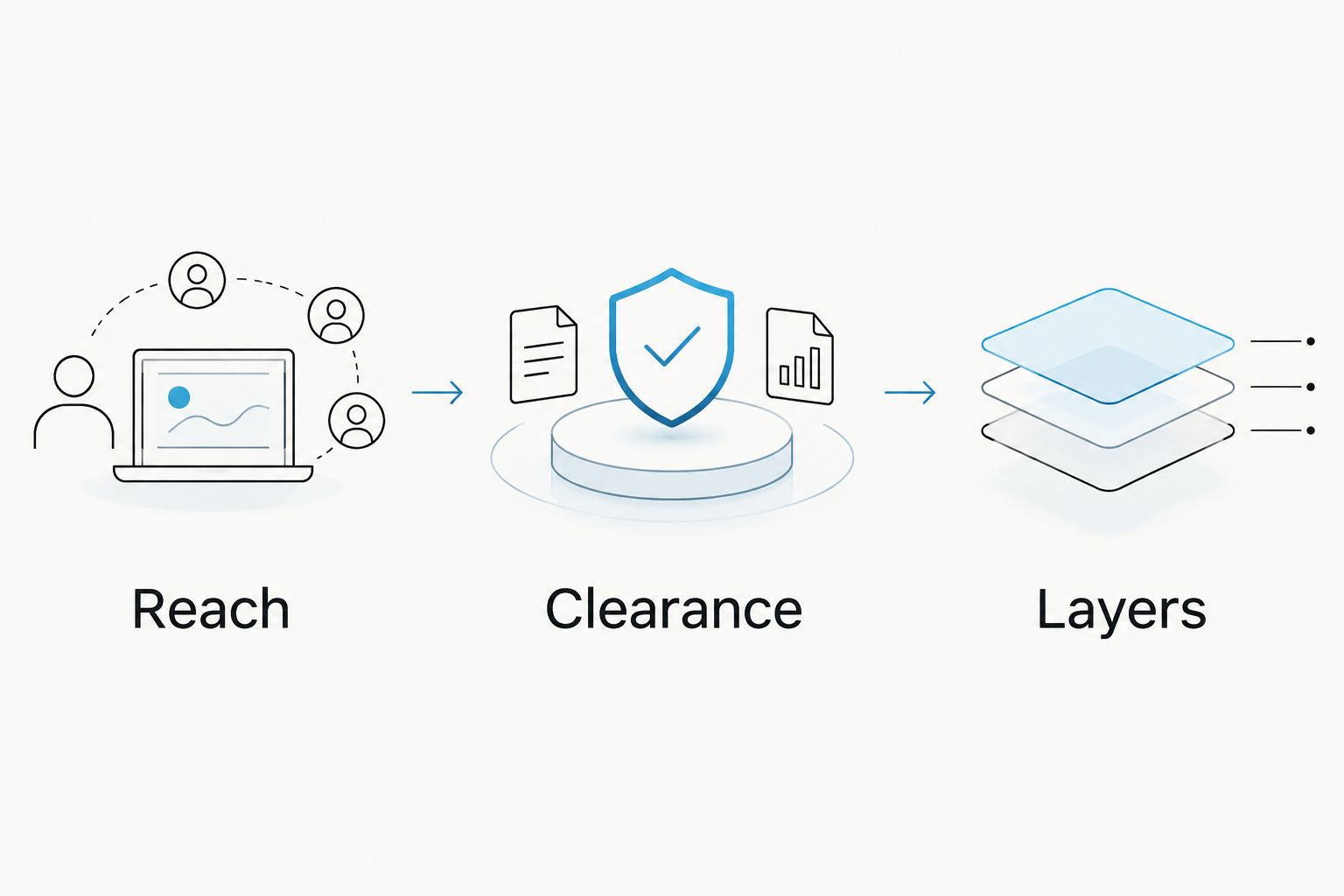
- Reach: Take your riding position and extend your arms toward the handlebars. Check shoulder movement, wrist coverage, and whether the neckline pulls.
- Clearance: Inspect loose hems, cords, and pocket contents. Keep anything that hangs away from moving bicycle parts.
- Layers: Try your intended 2-layer setup if you plan to wear the hoodie over another garment. Check movement again rather than assuming a larger size solves every problem.
Perform these checks while the bicycle is stationary. If the hoodie restricts movement or creates loose fabric you cannot secure, reserve it for arrival and the gathering afterward.
How the hoodie types rank
The ranking puts mission clarity first because the query is about awareness clothing, not simply warm clothing. Full-zip construction comes next for layer changes, a relaxed pullover serves off-bike wear, and lightweight construction serves a packing need.
There is no claim here that one named hoodie outperformed another in a test. Your final decision rests on the individual garment's documented features and your own fit checks. Choose the use case first; judge the garment second.
Which mental health awareness hoodie should you choose?
Choose a mission-linked community hoodie if you are undecided and your main goal is showing support at events. Choose the full-zip type when removal matters most, the relaxed pullover for casual gatherings, or the lightweight type when carrying an arrival layer is the priority.
For cyclists considering mental health awareness hoodies, Therideforhope offers a community-merchandise route connected to rides, events, and volunteer efforts. If your goal is awareness clothing rather than a hooded layer specifically, the You Matter Tee is another garment to evaluate. It is a tee, not a hoodie, and does not answer a need for hooded coverage.
For your 2026 choice, write your purpose in 1 sentence before browsing: clothing for the ride, clothing for the gathering, or clothing to express support. That sentence keeps an appealing message from distracting you from the garment you actually need.
WEAR YOUR SUPPORT
Explore cycling and lifestyle merchandise connected to community rides and mental health awareness.
FAQ
What's the best mental health awareness hoodie for cyclists?
A mission-linked community hoodie is the best default when your main goal is awareness and participation. Choose a garment with a suitable fit and a seller that clearly explains its community work; mission alignment alone does not establish riding performance.
Is a zip-up awareness hoodie better than a pullover?
A zip-up awareness hoodie is better when easy layer changes are your priority. A pullover suits off-bike wear when you prefer a garment without a full front opening. Check both styles in your intended wearing position.
Can I wear a mental health awareness hoodie while cycling?
Wear a hoodie while cycling only when its fit, clearance, and stated features suit your ride. Check your reach and keep loose fabric and cords away from moving parts. Casual hoodie construction does not establish weather protection.
Does buying awareness clothing automatically fund a charity?
No, an awareness message does not establish a charitable contribution. Read the seller's explanation of how purchases support its work. Do not infer a donation amount or percentage from a slogan.
What should I check before buying a hoodie for a cycling event?
Check the event's clothing requirements, your intended activity, and the garment's material and fit. A hoodie for volunteering or gathering afterward has a different job from clothing you rely on during the ride.
Is wearing a mental health message an invitation to discuss my own experiences?
No, wearing a mental health message does not require you to share personal experiences. You can explain that you support awareness and community connection without discussing anything private.
What makes Therideforhope relevant to cyclists choosing awareness clothing?
Therideforhope sells branded cycling and lifestyle merchandise to fund and promote group rides, events, and volunteer efforts supporting mental health awareness. That community purpose is relevant when choosing awareness clothing, but it does not establish the specifications of a particular hoodie.
ONE LAST THING
Prepare an answer, not a speech. If someone asks about your clothing, explain the cause you support and let them decide whether to continue the conversation. A visible message should create room for connection, not pressure someone to share.
Your hoodie can stay an off-bike garment and still serve its purpose. Wear the clothing that fits the ride, then bring the awareness message into the gathering.