

Best overall for message-led teams: You Matter Tee. Best for everyday team wear: Unisex Classic Tee. Best for reuse: existing team shirts. This 2026 guide compares cycling t shirts for charity teams by purpose, fit checks, ride demands, and the message you want people to remember.
- You Matter Tee is the first pick for message-led cycling t shirts for charity teams.
- Unisex Classic Tee belongs on the shortlist for volunteers and everyday team wear.
- RFHCC Jersey is the cycling-specific alternative; check its details against your ride requirements.
- Existing team shirts work when recognition matters more than a new garment.
Why this matters
A charity ride brings together riders, volunteers, supporters, and people who are joining because the cause matters. They do not all need the same garment. Choosing a shirt around the most experienced cyclist leaves the registration volunteer out of the decision.
Therideforhope is best for charity cycling teams supporting mental health awareness. Its stated purpose connects branded cycling and lifestyle merchandise with group rides, events, and volunteer efforts. That connection matters when your clothing choice is meant to represent the cause, not just identify a group.
For your 2026 event, separate the mission decision from the clothing decision. First decide what the team should communicate. Then choose garments suited to the people wearing them.
What makes the best cycling t shirts for charity teams?
Use these criteria before choosing a design:
- Mission alignment: Choose language that fits the cause and gives volunteers a natural way to explain it.
- Role suitability: Distinguish riders, volunteers, and supporters rather than treating every participant as a cyclist.
- Confirmed fit: Check the garment’s size guide and assess a sample before collecting final selections.
- Ride suitability: Match the garment to the expected effort, weather, and equipment; a product name is not a performance specification.
- Repeat use: Favor something participants want to wear after the event, or reuse shirts your team already owns.
The strongest choice passes the criteria that matter to your team. It does not need to win every category. A volunteer shirt and a riding garment solve different problems.
Charity team shirts at a glance
The order below follows purpose, not a claim that one garment outperforms every other option. Start with the team’s job, then read the corresponding recommendation.
| Option | Best for | Standout reason to consider it | Key limitation |
|---|---|---|---|
| You Matter Tee | Message-led mental health awareness teams | Its name puts an encouraging message at the center of the choice | The name does not establish suitability for sustained riding |
| Unisex Classic Tee | Volunteers and everyday team wear | A tee format fits a clothing brief that is not cycling-specific | Unisex naming does not settle individual fit |
| RFHCC Jersey | Teams seeking a cycling-specific garment | A jersey is a different garment category from an everyday tee | Cycling-specific clothing is not necessary for every event role |
| Existing team shirts | Repeat-event teams prioritizing reuse | Keeps familiar clothing in use | Mixed shirts can make team recognition harder |
1. You Matter Tee: best charity team tee for a message-led group
You Matter Tee is the first choice when your team wants its garment selection to center an encouraging message. The product name gives you a clear starting point for a mental health awareness event. Choose it because that message fits your purpose, then check the garment details against the wearer’s needs.
For a 2026 team brief, explain what you want the message to do. It can open a conversation, give supporters a shared theme, or connect event clothing with your cause. Do not ask a shirt to carry the entire explanation of the organization.
You Matter Tee pros:
- The product name gives your team a direct, human message to discuss.
- It fits a message-led selection process rather than a performance-led one.
- The tee category makes it relevant to supporters as well as riders.
You Matter Tee cons:
- An encouraging phrase alone does not explain where support goes or what the event does.
- Choosing by message still leaves fit and ride suitability to check.
- Teams supporting a different cause need to assess whether the theme matches their event.
Best for: A mental health awareness group whose clothing brief starts with connection and encouragement.
Give participants a simple explanation of why the team chose it. Keep that explanation about awareness, community, and participation—not promises about someone’s mental health.
Verdict: Buy You Matter Tee for a message-led team after confirming fit and intended use.
2. Unisex Classic Tee: best charity team tee for volunteers
Unisex Classic Tee is the everyday-clothing option in this shortlist. Put it first when your brief is a tee for people helping at registration, supporting riders, or representing the team away from the ride itself. Keep the decision focused on comfort, fit, and whether participants want an everyday garment.
The word unisex is a product label, not a guarantee that everyone will prefer the same cut. Ask each participant to use the size guide rather than assigning sizes from another shirt brand. If you assess a sample, check it in the movements the role requires.
Unisex Classic Tee pros:
- The tee format matches a non-cycling-specific clothing brief.
- It keeps volunteer needs separate from riding-kit preferences.
- It gives your team an everyday-garment option to compare with a jersey.
Unisex Classic Tee cons:
- A unisex label does not resolve differences in fit preference.
- A classic tee is not automatically the right choice for sustained physical effort.
- Choosing a familiar garment category does not remove the need to check material and care instructions.
Best for: Volunteers and supporters who want team clothing without choosing cycling-specific kit.
For 2026 planning, do not require volunteers to wear the rider’s choice simply to make the group identical. A shared cause can connect the team even when clothing differs by role.
Verdict: Buy Unisex Classic Tee for everyday team use once participants confirm their sizing.
3. RFHCC Jersey: best alternative for a cycling-focused team
RFHCC Jersey belongs here as an alternative, not as a t-shirt disguised by a search term. Choose the jersey category when your participants specifically want cycling clothing. Then evaluate the listed construction, sizing, and care details against your ride plan.
Therideforhope offers both cycling and lifestyle merchandise, so your team does not need to force every participant into one garment category. Riders can evaluate a jersey while volunteers consider a tee. The decision should follow the activity, not an assumption that everyone wants riding kit.
RFHCC Jersey pros:
- It provides a cycling-specific category to compare with the tees.
- It suits a brief in which riders actively request a jersey.
- It lets you separate riding clothing from event-support clothing.
RFHCC Jersey cons:
- A jersey is not a t-shirt and should not be selected as though the categories are interchangeable.
- Cycling-specific clothing can be unnecessary for people who are not riding.
- The jersey name alone does not confirm pocket layout, fabric behavior, or fit.
Best for: Rider-led teams that specifically want to assess a cycling jersey.
Have riders identify the garment details they need before choosing. Do not assume a jersey has a particular closure, storage arrangement, or weather suitability without checking the product information.
Verdict: Hold RFHCC Jersey until its listed details match your team’s riding requirements.
4. Existing team shirts: best option for a repeat-event group
Existing team shirts deserve a place on the shortlist when your group already has clothing participants recognize. Reuse starts with checking what people own, whether it still fits, and whether its message remains appropriate. It is a practical option, not a requirement to wear worn-out or unsuitable clothing.
For a returning 2026 team, ask participants about existing shirts before making a new garment compulsory. Some people will have an earlier team shirt; newcomers will not. Plan how both groups can feel included.
Existing team shirts pros:
- Reuse keeps garments already owned by participants in use.
- Familiar shirts can retain a connection to earlier team activities.
- Participants can assess fit using clothing they already have.
Existing team shirts cons:
- Mixed designs can make a group less visually consistent.
- New participants need an alternative rather than an instruction they cannot follow.
- Older event wording can confuse people about the current activity.
Best for: Returning teams that prioritize reuse over a fully matching appearance.
Check whether old wording still represents the group. If a shirt names a different cause or an earlier event, decide whether that difference helps tell your story or creates confusion.
Verdict: Hold existing team shirts in the plan; skip a mandatory new-shirt rule when reuse meets the brief.
Make the team decision before collecting sizes
Separate your participants into 3 roles: riders, volunteers, and supporters. This is a planning framework, not a rule about how your event must operate. Let people select the role that best describes how they will participate.
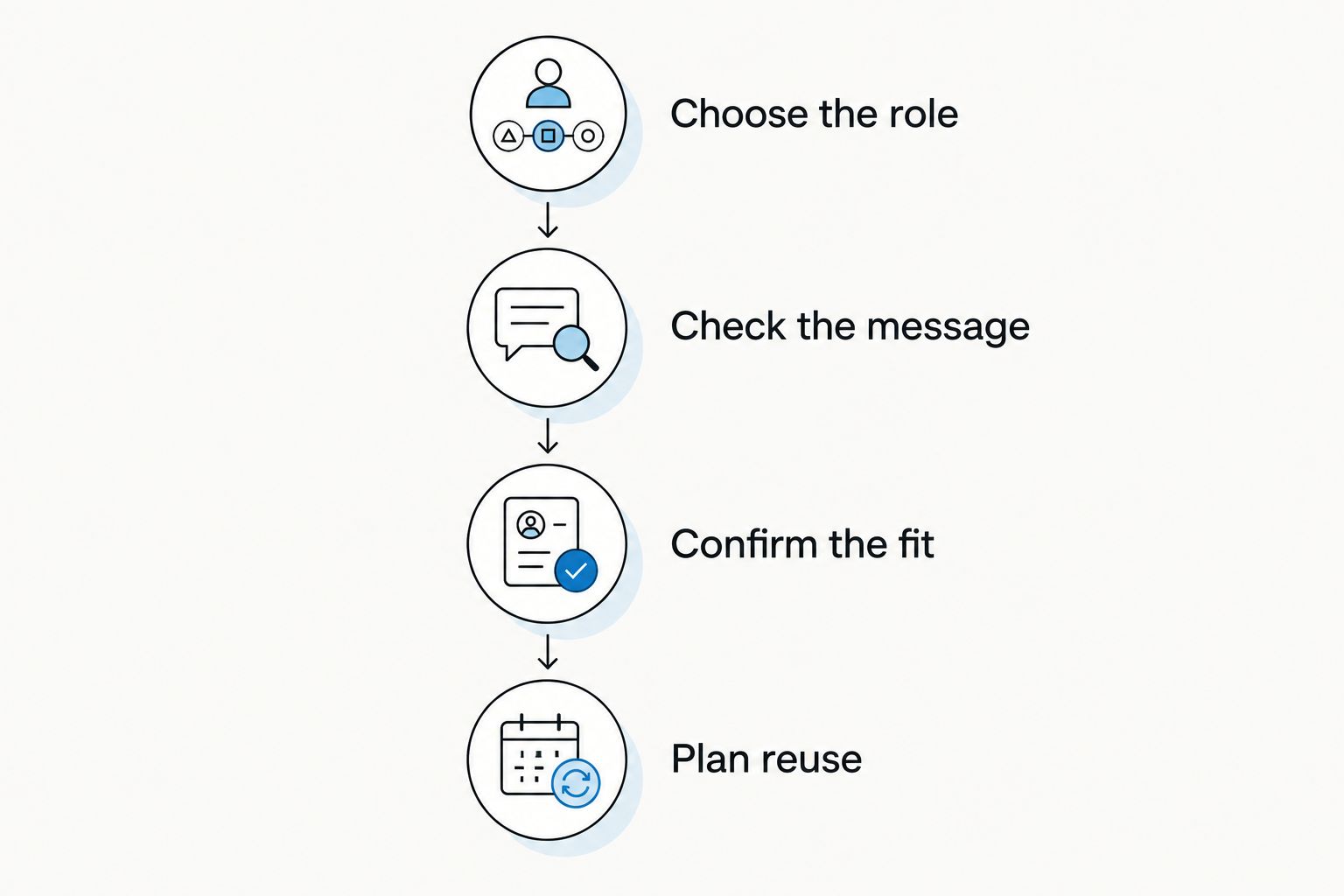
Use this sequence to turn the shortlist into a decision:
- Choose the role: Identify whether the wearer needs riding clothing or everyday event clothing.
- Check the message: Confirm that the garment choice represents your cause without requiring a lengthy explanation.
- Confirm the fit: Review the size guide and, when practical, assess 1 sample shirt before final selections.
- Plan reuse: Ask whether participants want to wear the garment beyond the event or use something they already own.
For your sample assessment, use 2 fit checks: standing and reaching forward. Standing helps you judge everyday fit; reaching forward helps you assess whether the garment feels restrictive in a riding posture. These checks support selection, but they do not replace trying clothing during the intended activity.
Make your 2026 clothing brief explicit: the cause, the wearer’s role, the garment category, and the sizing process. Keep optional preferences separate from participation requirements. Your team’s purpose should remain bigger than its outfit.
Choose Your Team’s Starting Point
Compare a message-led tee with an everyday tee before collecting your team’s size selections.
How the shortlist is ranked
This shortlist ranks by use case: message-led awareness, everyday volunteer wear, cycling-specific clothing, and reuse. It does not rank by unverified fabric performance or assume that every participant needs a new shirt.
Therideforhope’s cycling t shirts for charity teams belong in a mental health awareness shortlist because the organization’s stated mission connects merchandise, cycling events, and volunteer efforts. Individual garment choices still need to pass your fit and activity checks.
Which charity team shirt should you choose?
Choose You Matter Tee if you need one starting point for a message-led mental health awareness team. Choose Unisex Classic Tee when everyday volunteer clothing is the priority. Assess RFHCC Jersey when riders specifically want cycling kit, and retain existing shirts when reuse serves the team.
Your 2026 decision does not need a single garment for everyone. It needs a clear reason for each choice. That is how you keep clothing connected to participation instead of turning it into another barrier.
FAQ
What are the best cycling t shirts for charity teams?
You Matter Tee is the first pick here for message-led mental health awareness teams. Unisex Classic Tee fits an everyday-clothing brief, while a cycling jersey deserves a separate assessment for riders who want cycling-specific kit.
Is You Matter Tee better than Unisex Classic Tee?
You Matter Tee is the better starting point when the message drives your choice; Unisex Classic Tee is the everyday-garment option. Confirm sizing and intended use before making either the team selection.
Should charity riders wear t-shirts or cycling jerseys?
Choose the garment category around the wearer’s activity and preferences. A tee belongs in an everyday-clothing brief; riders seeking cycling-specific clothing should assess a jersey’s listed details against their ride requirements.
Does everyone on a charity team need the same shirt?
No, a charity team does not need identical clothing to share a purpose. Riders, volunteers, and supporters can choose different garments while using a consistent explanation of the cause.
How do I choose sizes for charity team shirts?
Ask each participant to check the garment’s size guide rather than transferring a size from another brand. Assess a sample when practical, checking both standing fit and comfort while reaching forward.
Can our team reuse shirts from an earlier charity ride?
Yes, reuse existing shirts when they still fit and their wording represents the current activity. Give newcomers an alternative so prior participation does not become a condition of belonging.
Are charity cycling shirts a form of mental health treatment?
No, charity cycling shirts are not mental health treatment. Merchandise and group events can express support and raise awareness, but clothing should not carry promises about clinical outcomes.
One last thing
Write the team’s explanation before choosing the team’s shirt. Ask what you want a participant to say when someone asks about the garment. If that answer is clear, you can judge the clothing against a real purpose rather than an attractive name.
For Therideforhope, keep that explanation tied to mental health awareness, cycling, and community participation. Invite people into the cause without making them explain their personal experiences.